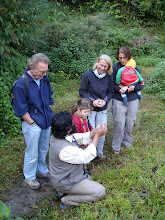
Mr.Madan Tamang has been brutally killed in Darjeeling today. He was one of the oldest tourism entrepreneurs of the region and a noted intellectual from the East Himalaya. His family runs an well established tourism infrastructure at Meghma on the famous Sandakphu Trek Route, which runs through the Singalila National Park for the past many years and he himself organized an accommodation at Darjeeling in his place of residence. Most of his family members are linked with the tourism industry. He had a great vision for tourism and organic agriculture. He had carried the brand of East Himalaya, mainly Darjeeling to Japan and many other countries of the world mainly in the field of adventure tourism and ecotourism.
Again there was a rumor of a Bandh(strike)from today, again disturbing tourist movement in Darjeeling and harassment to them in the whole of Sikkim-North Bengal region.
The Northeastern region of India gets a tourism peak season only for a period of 60 to 80 days, once during summer and the other during Durga Puja vacations. The tourism over here has mainly developed with the help of local entrepreneurs and is gradually leaving behind the stagnant tea industry. The most visited destinations are Sikkim, North of West Bengal (Darjeeling Hills and Dooars), Assam and Meghalaya. The first two and the last two being interdependent as popular circuits.
This summer which is the longest peak tourism season and service providers fully dependent on it, almost all the tourism infrastructure were packed till the series of political strikes (Bandhs) that took place:
14th May, 2010: Siliguri 24 hours Bandh.
15th & 16th May, 2010: Darjeeling Hills Bandh 48 hours.
17th, 18th & 19th May, 2010: Dooars 72 hours Bandh.
18th & 19th May, 2010: Meghalaya (Khasi & Jaintia Hills) Bandh.
More than 12 tourist vehicles have been attacked and vandalized.
The tradition continues...
This is the peak tourist time, Government of India has given special LTC for Government employees visiting Northeast. Special Northeast India campaigns are made with crores of expenditure. Subsidised loans for creating tourism infrastructure has been alloted. Hundreds of rural tourism sites have been added to the conventional destinations. Tourism was being used as a tool to mainstream our communities living in isolation. Booking were lined up for 2011, but alas, everytime political Bandhs during peak tourist season shaterring the brand of Northeast.
The service tax revenue, which is mostly from tourism in North Bengal region was increasing by 8 to 10% every year till 2007-8. Since 2008-9, when the Bandhs started, the revenue declined by more than 40% and the trend continues. Imagine the other revenues linked to tourism (transport taxes, fuel sur-charge and taxes, restaurant and accommodation taxes etc), which is said to be six times the direct tourism revenue is lost at the same rate.
For every family as tourists, there are 10 local people who are engaged. The largest generator of employment, tourism is today hit by regular Bandhs during peak tourist seasons.
Tourists are our Guests and as per the Indian tradition 'Guests are our God'. It is not a part of the Indian culture to invite guests to our region and insult them with Bandhs. They contribute to the destination they visit, in a responsible tourism pattern they even help to conserve our rich natural and cultural resources. They hardly have any knowledge or connection with our local political problems. They come here for peace and hospitality. Hence, we have no right to make tourists/guests/visitors a part of our Bandhs. We have to come to a political consensus on this issue and make this a part of our constitution.
Friday, May 21, 2010


Wednesday, April 21, 2010
Shibjee, the end of an era at Chilapata

Siliguri, 21st April, 2010: Yesterday on the 20th of April, 2010 was the funeral ceremony (performed on the 13th day of the funeral of any individual in the Hindu way) of Shibjee Sah 92 at Chilapata. Almost 1100 people from different works of life, different communities and from far and wide attended the ceremony. Forest villagers, forest department staff, regular bus service staff and aged daily passengers, ex-timber merchants and Mathura tea estate residents composed the maximum numbers. Everyone talked about an era passing away with him.
Chilapata Sanctuary, 08th April 2010: Last night when Buada rang me up from Chilapata sometimes past 10 at night, I had just returned from the Northeast Council Tourism Meet at Gangtok where one of the major points of discussion was ‘how can tourism stop climate change’. This was the second discussion this week, as on Sunday at a meeting of the Environment and Forest Ministers of the two nations, Bangladesh & India, I was asked to speak on ‘Sunderbans, tourism and climate change’.
Buada told me that his father Shibjee had passed away. I rushed to Chilapata today morning and found several people from different communities (Oraon, Munda, Kora, Karjee, Rabha, Mech, Bihari, Nepali, Bengali and Rajbongshi) were present at the funeral. A old man was sitting in front of Buada’s house and was continuously crying and saying, Shibjee first came to our house more than 50 years back and my father looked after both of us as brothers.
In a small village near Samastipur in Bihar, Shibjee was born. His father passed away in his young age, and his uncles claimed his mother of having mental problems and chased her away with her two sons, other elder to Shibjee. The uncles took away the land and the mother with two sons took shelter at a Brahmin’s house at Samastipur. The elder brother went as a child labour to Samastipur Jute Mill and the mother with younger son worked for the Brahmin at his house.
Not long when Shibjee went to work at Ranchi, from where he managed to go to Calcutta. A long part of his life as he told his son Bua (Ganesh Sah) that he served a doctor at his house in Chittagong. In the year 1949 and the early 1950s, East Bengal was undergoing the process of becoming East Pakistan, and the Pakistan constitution was being formed on the basis of Islam. This created riots in East Bengal, West Bengal, Assam, Bihar and several parts of the subcontinent.
This made Shibjee flee Chittagong in 1954 and come and take shelter in Mathura Tea Estate, one of the first established tea estates of Dooars. The rise of the industrial revolution in United kingdom in the 18th & 19th centuries, that was the time when the English sailed continents in search of new grounds for entrepreneurship, and started to create tea estates in India, mainly East. As a result, large forested landscapes had to be alternated with tea plantations. This is when they needed labours. The Barraiks were instrumental in bringing thousands of labourers from their state of Bihar and adjoining areas, who were made to work hard in these plantations at the present area Mathura next to Chilapata Sanctuary. In the process, the Barraiks became Rajas or Landlords of the area and owned large land areas, elephants, arms and people.
Chilapata had seen kings in the past and the fort ruins next to Bania River remain silent witness to the glorious past. As per historians, the ruins belong to the Gupta age and are often referred to the mythology of Nal Raja of Nal-Damiyanti. Several others believe that this fort belonged to Naranarayan, the King of Coochbehar and some argue that the area belonged to his General Chilla Rai, who was a great warrior and administrator. Today, the ruins are almost hidden in the forests of Chilapata Sanctuary, where the fort is inhabited by our wilder part of the ecology which includes everything from elephants to pythons, both very commonly sited.
Shibjee started his livelihood by selling chana masala in and around Mathura. He gradually started venturing in the forests carrying snack food to sold to the mahalders and their party, who were engaged in timber extraction. This was a continuation of the imperialistic British policy of earning revenue from their empire areas rich in natural resources. Timber and Tea industries were then at its best in the Bengal Dooars areas and brought generous returns for hardworking Shibjee. The turning point came in when he and his Nepali friend were trampled by a wild elephant in the forest. His Nepali friend died, but he survived with severe injuries. The timber merchants and their people rushed him to the Alipurdual hospital and after weeks of struggle survived. He was no more capable of walking around to sell his snacks. The Timber Merchants then built him a small shed at present Chilapata More, where his son Bua (Ganesh Sah) still lives with his family, from where Shibjee sold food and sweets often patronized by Timber Merchants and Forest officials coming for short stay at the Chilapata Forest Bungalow.
The Chilapata Forest Bungalow, which was a major transit Bungalow for government officers in the past, a must stopover from Coochbehar through the Dooars in those good old days when the unbroken forests along the Bhutan foothills were abundant with wildlife. The old log book describes the presence of Tigers, Panthers and several other celebrity wildlife which were easily sighted. The other day Chilapata Jungle Camp had some guests, one of the elderly ladies was the wife of a retired Conservator Forests, who had stayed here more than thirty years back. She described that the bungalow was surrounded by forests and had a water body in front, which attracted wild animals throughout the day. Several retired and present forest officials called Buada on his mobile and conveyed their message on the demise of his father Shibjee.
Ganesh Sah, Buada as he is popularly called in the area was brought up in the forest among the timber extraction business. His skills, intelligence and upbringing soon made him a Man Friday to the illegal timber trade lobby. He gradually became a threat to the local Forest Department. In the mid and late 1990s, a community based tourism movement was started by Help Tourism with the West Bengal Forest Department in North Bengal, both Hills & Dooars, a process to achieve protection of forest resources through tourism. The then Minister for Forests, Mr.Jogesh Burman himself, a strong believer of this movement aggressively used the tool for the forest fringe villagers. Buada, became a part of this movement with enthusiasm from the Minister and DFO.
He took a loan from the local bank and started with a tourism infrastructure in the fringe of the forests, behind the Chilapata Forest Bungalow in the name of Shibjee Green India Tourist Cottage. This became a project in isolation and there was hardly any market linkage. Buada was disturbed with the increasing bank interest and approached the Minister again, who suggested him to contact Help Tourism. In the meanwhile Help Tourism was already supporting a wildlife researcher, Subhodeep from Alipurduar on forgs & toads. He along with guidance and support of Zoological Survey of India scientist, Kaushik Deuti encountered upon a new species of frog at Chilapata.
Hence, Help Tourism took up the responsibility to be involved with Chilapata Sanctuary, the green corridor between Jaldapara Wildlife Sanctuary and Buxa Tiger Reserve. With the help of Wildlife III of West Bengal Forest Department, 29 local youths from different communities were trained as ‘ecoguides’. An yearly ecotourism festival was started with fixed date celebration from 15th to 17th September. Buada was given the support to complete the infrastructure, local people were trained to provide services and bank debts were cleared through a partnership, keeping the ownership of Buada intact. Branding of the infrastructure was brought intune as ‘Chilapata Jungle Camp’. Conservation networking with adjoining Bhutan and Manas Biosphere Reserve has been started.
The Chilapata Initiative is being taken forward to be the core between Assam-Bengal and Bhutan-Bengal Conservation Tourism relations. The rewind of the imperialistic deeds are not possible, but to bring back community ownership and responsibility for their natural resources is ofcourse the goal, which in turn will help to slow the ‘Climate Change phenomenon’.
Saturday, March 13, 2010
Peace through Tourism in historically changed Cross-borders
a policy workshop for administrators, political leaders, developers, ambassadors, academicians, trade & industry concerns, NGOs, responsible tourism organizations and all concerned for establishing global peace...
29th & 30th March, 2010. Shantiniketan. Bolpur. West Bengal. India.
Organized by Department of History, Visva Bharati University,
In collaboration with ICRT-India, IIPT, ACT & Initiated by Help Tourism.
INTRODUCTION: Several regions in East & Northeast India share common land borders with neighbouring countries like Bangladesh, Bhutan, Nepal, Myanmar and Tibet. These regions once had the privilege to have several trade routes, which were connected to the historical Silk route. There were several developments which took place then and became the landmark in the history of the world, like the spreading of Buddhism etc helping to bring peace to the region and nurturing better ‘people to people relations’.
Today, the trade routes have been closed inspite of the easy land connectivity that exists and has been a major reason for poverty and terrorism for the different countries in the bordering areas. This further has been a pressure on the rich natural resources, which are the last frontiers of the global biodiversity remains of the subcontinent. The people across the borders have now through generations have awaited the old cultural and trade relations. The capitals now need to understand this emotion & need of the time. Several countries across the globe have shown sense of better cross-better relations in tune with the demand of time and have achieved positive results.
We discuss in this workshop, the scope of opening these borders for the purpose of tourism and allow some fresh economical activities for the bordering areas. This can then be followed by developing policies for other trade & cultural interaction. The goal of this exercise will be to help conserve the biodiversity hotspots and help establish peace in the area.
THE VENUE: Santiniketan was previously called Bhubandanga (named after Bhuban Dakat, a local dacoit), and owned by the Tagore family. Rabindranath's father, Maharshi Debendranath Tagore, found it very peaceful and renamed it Santiniketan, which means abode (niketan) of peace (shanti). It was here that Rabindranath Tagore started Patha Bhavan the school of his ideals, whose central premise was that learning in a natural environment would be more enjoyable and fruitful.
Later, this developed into an International University, Visva Bharati, the India that opens its window to the world. Several cultures and traditions of the world were incorporated with the deep rooted Indian cultures as a part of the curriculum. Through years, Shantiniketan witnessed the footfalls of ‘global leaders for peace’.
A step towards 150 years of Rabindranath Tagore: Rabindranath Tagore, born on May 7, 1861, got the Nobel Prize for literature in 1913 – the first Asian to get the coveted award. “In May, 2011, the world will celebrate the 150th birth anniversary of Gurudev Rabindranath Tagore. A national committee of distinguished experts will advise on the events to commemorate the life and works, as well as the values and ideals, of Tagore,” the Prime Minister of India, Manmohan Singh said on 16th January, 2010.
Referring to Bangladesh Prime Minister Sheikh Hasina’s recent visit to Delhi, Manmohan Singh said the two of them had agreed to oversee the joint celebrations of the event in a befitting manner.
Rabindranath Tagore wrote in a letter addressed to the Sino-Indian Society in 1934:- `The truth we received when your pilgrims came to India and ours to you - that is not lost even now. What a great pilgrimage was that! What a great time in history!` Tagore went on to say, `It is our duty to-day to revive the historic spirit of that pilgrimage following the ancient path which is not merely a geographical one but the great historic path that was built across difficult barriers of race differences, and differences of language and tradition reaching the spiritual home where man is one in bonds of love and co-operation`.
Year 1936, Tagore sent a message to the World Peace Congress at Brussels, emphasizing that peace must be built on the strength of the just, not on the weariness of the weak. To deserve peace they must pay its full price. “The strong must cease to be greedy, and the weak must learn to be bold.”
Expected Delegates
Government Policy Makers & Tourism Industry Representative speakers 15 heads
History Department 15 heads
International Media 10 heads
Journalism & Mass Communication 02 heads
Inaugurator, Keynote speaker & Guest Presenters 05 heads
ICRT-India, IIPT, ACT & Help Tourism 08 heads
Volunteers 05 heads
Program outline:
29th March, 2010: Venue- Museum Hall (AIHCA)
08:30 Registration & distribution of registration kit.
09:30 to 11:00 Inauguration & Keynote Address.
Tea Break
11:15 to 13:00 Cross-Border Tourism Circuits and future scope by the different countries and India’s Northeastern States and the state of West Bengal.
Lunch
14:00 to 15:30 Living Buddhism Circuit in East Himalaya (Guru Padmasambhava Trails), presentations by the different Himalayan countries & states.
Tea
15:45 to 17:45 Cross-Border Natural, Cultural, Social and Trade history issues in academic sessions by field organization representatives, scholars & researchers.
18:30 to 19:30 Cultural program.
30th March, 2010: Venue- Bedi & Chata (Under the tree)
09:00 to 10:45 Wrap up sessions for Policies & Circuits for Cross-Border Tourism.
Tea
11:00 to 13:00 Presentations on the proposed policies & circuits for Cross-Border Tourism.
Lunch
14:00 to 15:00 Shantiniketan Declaration.
For details, please contact:
Joint Coordinator, Arunava Das, Assistant Professor of History. 9831835213, 9474731090.
Raj Basu, Help Tourism. 9733000444. E.Mail:actraj@gmail.com & info@helptourism.com.
29th & 30th March, 2010. Shantiniketan. Bolpur. West Bengal. India.
Organized by Department of History, Visva Bharati University,
In collaboration with ICRT-India, IIPT, ACT & Initiated by Help Tourism.
INTRODUCTION: Several regions in East & Northeast India share common land borders with neighbouring countries like Bangladesh, Bhutan, Nepal, Myanmar and Tibet. These regions once had the privilege to have several trade routes, which were connected to the historical Silk route. There were several developments which took place then and became the landmark in the history of the world, like the spreading of Buddhism etc helping to bring peace to the region and nurturing better ‘people to people relations’.
Today, the trade routes have been closed inspite of the easy land connectivity that exists and has been a major reason for poverty and terrorism for the different countries in the bordering areas. This further has been a pressure on the rich natural resources, which are the last frontiers of the global biodiversity remains of the subcontinent. The people across the borders have now through generations have awaited the old cultural and trade relations. The capitals now need to understand this emotion & need of the time. Several countries across the globe have shown sense of better cross-better relations in tune with the demand of time and have achieved positive results.
We discuss in this workshop, the scope of opening these borders for the purpose of tourism and allow some fresh economical activities for the bordering areas. This can then be followed by developing policies for other trade & cultural interaction. The goal of this exercise will be to help conserve the biodiversity hotspots and help establish peace in the area.
THE VENUE: Santiniketan was previously called Bhubandanga (named after Bhuban Dakat, a local dacoit), and owned by the Tagore family. Rabindranath's father, Maharshi Debendranath Tagore, found it very peaceful and renamed it Santiniketan, which means abode (niketan) of peace (shanti). It was here that Rabindranath Tagore started Patha Bhavan the school of his ideals, whose central premise was that learning in a natural environment would be more enjoyable and fruitful.
Later, this developed into an International University, Visva Bharati, the India that opens its window to the world. Several cultures and traditions of the world were incorporated with the deep rooted Indian cultures as a part of the curriculum. Through years, Shantiniketan witnessed the footfalls of ‘global leaders for peace’.
A step towards 150 years of Rabindranath Tagore: Rabindranath Tagore, born on May 7, 1861, got the Nobel Prize for literature in 1913 – the first Asian to get the coveted award. “In May, 2011, the world will celebrate the 150th birth anniversary of Gurudev Rabindranath Tagore. A national committee of distinguished experts will advise on the events to commemorate the life and works, as well as the values and ideals, of Tagore,” the Prime Minister of India, Manmohan Singh said on 16th January, 2010.
Referring to Bangladesh Prime Minister Sheikh Hasina’s recent visit to Delhi, Manmohan Singh said the two of them had agreed to oversee the joint celebrations of the event in a befitting manner.
Rabindranath Tagore wrote in a letter addressed to the Sino-Indian Society in 1934:- `The truth we received when your pilgrims came to India and ours to you - that is not lost even now. What a great pilgrimage was that! What a great time in history!` Tagore went on to say, `It is our duty to-day to revive the historic spirit of that pilgrimage following the ancient path which is not merely a geographical one but the great historic path that was built across difficult barriers of race differences, and differences of language and tradition reaching the spiritual home where man is one in bonds of love and co-operation`.
Year 1936, Tagore sent a message to the World Peace Congress at Brussels, emphasizing that peace must be built on the strength of the just, not on the weariness of the weak. To deserve peace they must pay its full price. “The strong must cease to be greedy, and the weak must learn to be bold.”
Expected Delegates
Government Policy Makers & Tourism Industry Representative speakers 15 heads
History Department 15 heads
International Media 10 heads
Journalism & Mass Communication 02 heads
Inaugurator, Keynote speaker & Guest Presenters 05 heads
ICRT-India, IIPT, ACT & Help Tourism 08 heads
Volunteers 05 heads
Program outline:
29th March, 2010: Venue- Museum Hall (AIHCA)
08:30 Registration & distribution of registration kit.
09:30 to 11:00 Inauguration & Keynote Address.
Tea Break
11:15 to 13:00 Cross-Border Tourism Circuits and future scope by the different countries and India’s Northeastern States and the state of West Bengal.
Lunch
14:00 to 15:30 Living Buddhism Circuit in East Himalaya (Guru Padmasambhava Trails), presentations by the different Himalayan countries & states.
Tea
15:45 to 17:45 Cross-Border Natural, Cultural, Social and Trade history issues in academic sessions by field organization representatives, scholars & researchers.
18:30 to 19:30 Cultural program.
30th March, 2010: Venue- Bedi & Chata (Under the tree)
09:00 to 10:45 Wrap up sessions for Policies & Circuits for Cross-Border Tourism.
Tea
11:00 to 13:00 Presentations on the proposed policies & circuits for Cross-Border Tourism.
Lunch
14:00 to 15:00 Shantiniketan Declaration.
For details, please contact:
Joint Coordinator, Arunava Das, Assistant Professor of History. 9831835213, 9474731090.
Raj Basu, Help Tourism. 9733000444. E.Mail:actraj@gmail.com & info@helptourism.com.
Paharpur, World Heritage Site, Bangladesh
Connecting World Heritage Sites through people’s participation between the two North Bengals of Bangladesh & India through tourism to confirm conservation of heritage and peace.
Help Tourism, initiated local community participation through tourism in another UNESCO declared World Heritage Site, PAHARPUR and their first site in Bangladesh with the assistance of Biplab Saha, the CEO of Sun Tourism and Taifiq Rahman, 1st Vice President of Tour Operators Association of Bangladesh (TOAB).
The first survey of the World Heritage Sites in Bangladesh was undertaken by Help Tourism in the year 2001. February 2009, one of the master degree ecotourism intern from University of Applied Science - Eberswalde/ Germany, Sascha Prinz from Help Tourism visited the Paharpur site and gave his inputs. After that, the meeting in TTF Kolkata in July, 2009 with the tourism industry of Bangladesh and the Bangladesh Consulate at Kolkata raised hope that this was the right time to work on ‘people’s involvement in tourism’ and create the first model for Bangladesh.
Accordingly, the trip to Paharpur was undertaken between 9th to 11th September, 2009 by Raj Basu and Biplab Saha. The route taken from Siliguri was Chengrabandha, Burimari, Teesta Barrage, Rangpur and Joypurhat. Joypurhat being 10 kms from Paharpur, the nearest urban area with available logistics, we chose this as the base. The other reasons for choosing Joypurhat was the other National heritage interests being close by, easy road and rail connectivity and motivated people with good network at the nearby Bangladesh-India border.
The major interest is that Paharpur is a World Heritage Site, and we explained locally that 1) such a heritage confirms and enlightens the development of the communities who lived here, 2) and keeping aside our class, creed & religion, we must all be proud of it and bring back the old glory. 3) We further explained that tourism is the only window that opens to the world and we look forward to their involvement in tourism. 4) This will create wonderful easy land connectivity between the World Heritage Sites: from Darjeeling to Paharpur to Dhaka, uniting the two North Bengals. 5) This will help in cross-border relations and peace.
As the lonelyplanet.com mentions in its description very rightly, except the approach (getting to Paharpur) which is now quite easy:
The Somapuri Vihara at Paharpur was once the biggest Buddhist monastery south of the Himalaya. It dates from the 8th century AD. This is the most impressive archaeological site in Bangladesh; it was declared a protected archaeological site back in 1919, although the scholar-traveller Dr Buckman Hamilton had shown interest in it as far back as 1807. The name of the site has changed over the eons; it began life as Somapura (abode of the moon), then became Mahavihara (greatest monastery) before taking its current combination name. Getting to Paharpur is a bit of a pain on public transport, but it all adds to the element of discovery.
On the evening of 9th, we visited the Paharpur site. It was dark and person living near the site, he offered us his house to stay. The people near the site suggested that we go to Joypurhat and spend the night there. We put up at the Hotel Prithbi at the Thana Road in Joypurhat, where we were met by the Joypurhat Municipality Panel Mayor, Mr.Nandalal Parchi and his team. We had a long discussion, after which he was convinced that our concept for community involvement in Paharpur and adjoining places of interest will go a long way towards sustainable development of the entire area. He insisted that the next day, we should visit the Paharpur site and a few places of interest with his people.
On 10th morning we first visited Paharpur and surveyed the whole site, after which we met the Custodian, Md.Abdul Latif Pk at the Paharpur Museum. He discussed several points like the encroachment of the site by the local people through their activities in jute processing in the wetlands, cattle grazing, stealing of bricks etc. There are on an average 500 people illegally entering the site everyday. The other problem is about the salinity in the atmosphere and maintenance is tough. There is only one pump and it is difficult to avoid water logging in the monsoons. Guide engagement has not been possible. There is a lack of proper audio-visual material and equipment. Practical archaeological deficiency has left a lot of archaeological site Goalvita, Dhamurhat etc in distress. The practical orientation in the tourism industry is missing and hence proper interpretation has not been possible.
We were accompanied by Mr.Ashok Kumar Sarkar (Gaur) & Mr.Mrinal Kanti Sarkar (Minu) of Joypurhat. We visited some of the other places of interest like Baro Shiv, Sugar Mill etc. The other places are Mahasthal, Akkelpur and pagla Dewan. Everyone told us that we must visit Dhamurhat, Jagdalvihar and Patharghata, the description of which will be found in the book by Mr.Rakhal Das Bandhopadhyay. Every year at Hille border in India a festival is organized in respect of the Indian army, who have laid their lives in the Bangla Independence War. Also Mr.Dhananjay Rai of Kaliaganj has also written a lot on the heritage of this area. The other personalities who have an elaborate knowledge about this area are Mr.Shyamal Bhattacharya, ex-Headmaster of Bagora School, Dr.Martuja Khaled (Dipu), Islamic History Department of Rajsahi University and Mr.Samar Pal who is now a senior Secretary at Dhaka.
In the evening, we had an elaborate meeting of local personalities and NGOs presided by Mr.Aminul Haque Babul at Phulki and attended by Ad.Nanda Kishore Agarwala, Mr.Tapan Kumar Khan, Mr.Ranjao Kumar Kundu, Mr.Tapan Kumar Mahanta, Mr.Niresh from Rangpur, Mr.Apurba Sarkar, Md.Motinur Rahman, Mr.Sujan Kumar Mondal, Md.Monsur Rahman, Mr.Azizar Rahman and Mr.Gholam Haqkani.
The discussions led to the following conclusions and appreciations,
1) That this area has a reputation of terrorism and tourism will help to built good reputation and livelihood and hopes for the area.
2) Tourism will attract the confidence of Dhaka, as the circuit that is being planned is Dhaka-Paharpur-Darjeeling.
3) That good NGO infrastructure is available even to accommodate tourists.
4) That the area has good NGO capacity and good work reputation with the villages of the area.
5) It is possible to develop Homestays, several of them had good access to the private residential houses in Joypurhat through the initiative of developing the biggest infrastructure of Home Libraries in Bangladesh.
6) Also there is an opportunity to develop different kinds of Handicrafts and Handlooms.
7) One of the biggest difficulties is that Jotpurhat and the Paharpur site are in two different districts and have two different political parties in power, but the biggest advantage is that they have same linguistic accent and culture, and the two districts with the political have very good relations locally.
8) There is a wonderful Adibashi (tribal) area with rich culture.
9) That we must have a Paharpur Festival every year.
10) Organize a big Bangladesh-India meeting in the Raiganj/Kaliaganj/Balurghat area in this winter.
The meeting was coordinated by Mr.Nandalal Parchi and he was selected to lead the initiative of Connecting World Heritage Sites and developing Cross-Border Tourism with special reference to Paharpur in Bangladesh.
Help Tourism, initiated local community participation through tourism in another UNESCO declared World Heritage Site, PAHARPUR and their first site in Bangladesh with the assistance of Biplab Saha, the CEO of Sun Tourism and Taifiq Rahman, 1st Vice President of Tour Operators Association of Bangladesh (TOAB).
The first survey of the World Heritage Sites in Bangladesh was undertaken by Help Tourism in the year 2001. February 2009, one of the master degree ecotourism intern from University of Applied Science - Eberswalde/ Germany, Sascha Prinz from Help Tourism visited the Paharpur site and gave his inputs. After that, the meeting in TTF Kolkata in July, 2009 with the tourism industry of Bangladesh and the Bangladesh Consulate at Kolkata raised hope that this was the right time to work on ‘people’s involvement in tourism’ and create the first model for Bangladesh.
Accordingly, the trip to Paharpur was undertaken between 9th to 11th September, 2009 by Raj Basu and Biplab Saha. The route taken from Siliguri was Chengrabandha, Burimari, Teesta Barrage, Rangpur and Joypurhat. Joypurhat being 10 kms from Paharpur, the nearest urban area with available logistics, we chose this as the base. The other reasons for choosing Joypurhat was the other National heritage interests being close by, easy road and rail connectivity and motivated people with good network at the nearby Bangladesh-India border.
The major interest is that Paharpur is a World Heritage Site, and we explained locally that 1) such a heritage confirms and enlightens the development of the communities who lived here, 2) and keeping aside our class, creed & religion, we must all be proud of it and bring back the old glory. 3) We further explained that tourism is the only window that opens to the world and we look forward to their involvement in tourism. 4) This will create wonderful easy land connectivity between the World Heritage Sites: from Darjeeling to Paharpur to Dhaka, uniting the two North Bengals. 5) This will help in cross-border relations and peace.
As the lonelyplanet.com mentions in its description very rightly, except the approach (getting to Paharpur) which is now quite easy:
The Somapuri Vihara at Paharpur was once the biggest Buddhist monastery south of the Himalaya. It dates from the 8th century AD. This is the most impressive archaeological site in Bangladesh; it was declared a protected archaeological site back in 1919, although the scholar-traveller Dr Buckman Hamilton had shown interest in it as far back as 1807. The name of the site has changed over the eons; it began life as Somapura (abode of the moon), then became Mahavihara (greatest monastery) before taking its current combination name. Getting to Paharpur is a bit of a pain on public transport, but it all adds to the element of discovery.
On the evening of 9th, we visited the Paharpur site. It was dark and person living near the site, he offered us his house to stay. The people near the site suggested that we go to Joypurhat and spend the night there. We put up at the Hotel Prithbi at the Thana Road in Joypurhat, where we were met by the Joypurhat Municipality Panel Mayor, Mr.Nandalal Parchi and his team. We had a long discussion, after which he was convinced that our concept for community involvement in Paharpur and adjoining places of interest will go a long way towards sustainable development of the entire area. He insisted that the next day, we should visit the Paharpur site and a few places of interest with his people.
On 10th morning we first visited Paharpur and surveyed the whole site, after which we met the Custodian, Md.Abdul Latif Pk at the Paharpur Museum. He discussed several points like the encroachment of the site by the local people through their activities in jute processing in the wetlands, cattle grazing, stealing of bricks etc. There are on an average 500 people illegally entering the site everyday. The other problem is about the salinity in the atmosphere and maintenance is tough. There is only one pump and it is difficult to avoid water logging in the monsoons. Guide engagement has not been possible. There is a lack of proper audio-visual material and equipment. Practical archaeological deficiency has left a lot of archaeological site Goalvita, Dhamurhat etc in distress. The practical orientation in the tourism industry is missing and hence proper interpretation has not been possible.
We were accompanied by Mr.Ashok Kumar Sarkar (Gaur) & Mr.Mrinal Kanti Sarkar (Minu) of Joypurhat. We visited some of the other places of interest like Baro Shiv, Sugar Mill etc. The other places are Mahasthal, Akkelpur and pagla Dewan. Everyone told us that we must visit Dhamurhat, Jagdalvihar and Patharghata, the description of which will be found in the book by Mr.Rakhal Das Bandhopadhyay. Every year at Hille border in India a festival is organized in respect of the Indian army, who have laid their lives in the Bangla Independence War. Also Mr.Dhananjay Rai of Kaliaganj has also written a lot on the heritage of this area. The other personalities who have an elaborate knowledge about this area are Mr.Shyamal Bhattacharya, ex-Headmaster of Bagora School, Dr.Martuja Khaled (Dipu), Islamic History Department of Rajsahi University and Mr.Samar Pal who is now a senior Secretary at Dhaka.
In the evening, we had an elaborate meeting of local personalities and NGOs presided by Mr.Aminul Haque Babul at Phulki and attended by Ad.Nanda Kishore Agarwala, Mr.Tapan Kumar Khan, Mr.Ranjao Kumar Kundu, Mr.Tapan Kumar Mahanta, Mr.Niresh from Rangpur, Mr.Apurba Sarkar, Md.Motinur Rahman, Mr.Sujan Kumar Mondal, Md.Monsur Rahman, Mr.Azizar Rahman and Mr.Gholam Haqkani.
The discussions led to the following conclusions and appreciations,
1) That this area has a reputation of terrorism and tourism will help to built good reputation and livelihood and hopes for the area.
2) Tourism will attract the confidence of Dhaka, as the circuit that is being planned is Dhaka-Paharpur-Darjeeling.
3) That good NGO infrastructure is available even to accommodate tourists.
4) That the area has good NGO capacity and good work reputation with the villages of the area.
5) It is possible to develop Homestays, several of them had good access to the private residential houses in Joypurhat through the initiative of developing the biggest infrastructure of Home Libraries in Bangladesh.
6) Also there is an opportunity to develop different kinds of Handicrafts and Handlooms.
7) One of the biggest difficulties is that Jotpurhat and the Paharpur site are in two different districts and have two different political parties in power, but the biggest advantage is that they have same linguistic accent and culture, and the two districts with the political have very good relations locally.
8) There is a wonderful Adibashi (tribal) area with rich culture.
9) That we must have a Paharpur Festival every year.
10) Organize a big Bangladesh-India meeting in the Raiganj/Kaliaganj/Balurghat area in this winter.
The meeting was coordinated by Mr.Nandalal Parchi and he was selected to lead the initiative of Connecting World Heritage Sites and developing Cross-Border Tourism with special reference to Paharpur in Bangladesh.
Wednesday, August 19, 2009
DOOARS FROG & TOAD FESTIVAL, a proposal

Dates 15th to 17th September, 2009.
Venue of the festival: Chilapata, Mendabari, Kodalbasti & Madarihat
Organized by:
Wildlife Circle (Coochbehar Division),
Department of Forests, Government of West Bengal
& Help Tourism
Supported by:
India Tourism Kolkata (Government of Tourism, Government of India), Mendabari Jungle Camp, Chilapata Jungle Camp, Association for Conservation & Tourism (ACT), Eastern Himalaya Travel & Tour Operators Association (EHTTOA), Society for Preservation & Awareness of Wildlife & Nature (SPAWN).
The festival was started in 2008 as Chilapata Ecofest on the same dates. Owing to impact of such festivals on the local people,specially the forest villagers in regard to conservation, the festival has been upgraded to Dooars Frog & Toad Festival involving the whole of the natural areas of Central Dooars.
With the change in the micro climate, the first change is seen in the localities close to the forests, mainly with birds and amphibians. Hence, this name 'Frog & Toad Festival', before we stop listening to their croaking, the loss monsoons that renew life and stop the migration of people who make the food for the world.
Monday, May 25, 2009
CYCLONE
The Sunderbans Inheritance. 11:44pm, 25th May, 2009The last phone was at 8:15 pm approx from Manoj at Sunderbans Jungle Camp, Bali to Asit’s mobile which said “Kaku ekhaner abasta khub kharap” (Uncle the condition here is bad). Unfortunately, the line was one way, Asit kept on shouting, tell me in details how bad, but all of us could understand that his voice was not heard on the other side.
The first phone in the morning was from Ajoyda (Ajoy Roy), the famous newsman, who warned that the weather condition was worsening in Sunderbans. He was concerned, as his love for Sunderbans takes him there almost every month. I send an sms to Asit about it and called up Shaktida (Retd. Col. Shakti Banerjee) and we decided to meet at the Help Tourism, Kalighat office in the morning.
By the time we met at about 11am, the office had turned into a co-ordinating camp office. The updates were received from the Sunderbans Jungle Camp every 10 minutes, being passed on to the various administrative quarters. The Field Director of Sunderbans Tiger Reserve, Mr.Subrat Banerjee called up Shaktida to co-ordinate army help, the same request rang from Chief Conservator of Forests, Mr.N.C. Bahuguna. The Help Tourism office suddenly became busy connecting Shaktida to the different ranks of the Army headquarters at Fort William which included the BGS, MGGS, Dy. GOC etc and also the Home Secretary, Mr.Ardhendu Sen.
Anil, the community leader for development in Bali and a poacher turned conservator with WPSI, was stranded in Canning and was sending updates from there. Mastermashai, the Chairman of our local conservation society reported in the evening that his school building was the shelter for several families in the village whose houses were gone with the wind and water. Four foreign tourists and a family of Indian tourists are caught in the Sunderbans Jungle Camp, the camp people informed that they had taken shelter in the room below the water tank, which was almost a three storied concrete structure.
The morning Bangla daily Anandabazar Patrika read, ‘destruction & rains being brought by Ayela’, a serious cyclone has hit the areas south of Calcutta (Kolkata). By the time the Sunderbans Jungle Camp was contacted, there were no boats to risk the water then. People had already taken shelter indoors. It was only day before yesterday, we (Manish, Ajoy, Bonani, Asit, Sanjib, Ranajit & I) had returned from Bali in Sunderbans after planning the rural health centre cum a mini hospital. This was after ACT (Association for Conservation & Tourism), a non-profit NGO supported by Help Tourism had already conducted more than a hundred health camps at Bali and decided that the solution is in a permanent infrastructure. It was several years ago, when the Sunderbans Jungle Camp was established in 2003 by Help Tourism, the first drinking water tube-well hand pump was established in that part of the village. We all exclaimed that the sky was Polaroid blue like the November sky and there was no sign of monsoon. We attended the ‘pathsala’ the children school and several other community development infrastructures. The sun was high and we had to take shelter under trees and people’s houses to avoid the heat. There was no sign of rain or cyclone visible to us, but alas, just after a day inbetween, this devastating cyclone. Both Asit & I are awake at the Help Tourism, Kalighat office waiting for information and taking action accordingly in the morning. Several concerned people have called me and offered all possible support, to name a few: Asish from Chennai, Pankaj from Mumbai, Jashoda from Gangtok, Ifte from Kolkata...
The first phone in the morning was from Ajoyda (Ajoy Roy), the famous newsman, who warned that the weather condition was worsening in Sunderbans. He was concerned, as his love for Sunderbans takes him there almost every month. I send an sms to Asit about it and called up Shaktida (Retd. Col. Shakti Banerjee) and we decided to meet at the Help Tourism, Kalighat office in the morning.
By the time we met at about 11am, the office had turned into a co-ordinating camp office. The updates were received from the Sunderbans Jungle Camp every 10 minutes, being passed on to the various administrative quarters. The Field Director of Sunderbans Tiger Reserve, Mr.Subrat Banerjee called up Shaktida to co-ordinate army help, the same request rang from Chief Conservator of Forests, Mr.N.C. Bahuguna. The Help Tourism office suddenly became busy connecting Shaktida to the different ranks of the Army headquarters at Fort William which included the BGS, MGGS, Dy. GOC etc and also the Home Secretary, Mr.Ardhendu Sen.
Anil, the community leader for development in Bali and a poacher turned conservator with WPSI, was stranded in Canning and was sending updates from there. Mastermashai, the Chairman of our local conservation society reported in the evening that his school building was the shelter for several families in the village whose houses were gone with the wind and water. Four foreign tourists and a family of Indian tourists are caught in the Sunderbans Jungle Camp, the camp people informed that they had taken shelter in the room below the water tank, which was almost a three storied concrete structure.
The morning Bangla daily Anandabazar Patrika read, ‘destruction & rains being brought by Ayela’, a serious cyclone has hit the areas south of Calcutta (Kolkata). By the time the Sunderbans Jungle Camp was contacted, there were no boats to risk the water then. People had already taken shelter indoors. It was only day before yesterday, we (Manish, Ajoy, Bonani, Asit, Sanjib, Ranajit & I) had returned from Bali in Sunderbans after planning the rural health centre cum a mini hospital. This was after ACT (Association for Conservation & Tourism), a non-profit NGO supported by Help Tourism had already conducted more than a hundred health camps at Bali and decided that the solution is in a permanent infrastructure. It was several years ago, when the Sunderbans Jungle Camp was established in 2003 by Help Tourism, the first drinking water tube-well hand pump was established in that part of the village. We all exclaimed that the sky was Polaroid blue like the November sky and there was no sign of monsoon. We attended the ‘pathsala’ the children school and several other community development infrastructures. The sun was high and we had to take shelter under trees and people’s houses to avoid the heat. There was no sign of rain or cyclone visible to us, but alas, just after a day inbetween, this devastating cyclone. Both Asit & I are awake at the Help Tourism, Kalighat office waiting for information and taking action accordingly in the morning. Several concerned people have called me and offered all possible support, to name a few: Asish from Chennai, Pankaj from Mumbai, Jashoda from Gangtok, Ifte from Kolkata...
Monday, March 23, 2009
Tashiding, West Sikkim

Tashiding, the main centre of pilgrimage in East Himalaya, is located in the West District of Sikkim. Sikkim, referred to as the Bayul Demazong (Hidden Valley of Rice) in the Neyig (Guide Book to Holy Places), was blessed by Guru Padmasambhava himself. The centre of this blessed land is the most sacred establishment, ‘Dakkar Tashiding’, surrounded by four holy caves, Sharchog Bephug in the East, Khandozangphu in the South, Decchenphug in the West and Lhari Nyingphug in the North.
The Bumchu or the ‘Holy Water Vase’ festival is organized every year on the night of the 14th day of the 1st month of Tibetian Almanac. It is the celebration of the entire agrarian society of the East Himalaya, including Bhutan, where The Vase containing Holy Waters is kept in a miniature mansion (Chosham) under lock and seal of the Chogyal (King) of Sikkim, to be opened only during the particular occasion under strict supervision of Lamas and high officials. The quantity and quality of water decides the fate of agriculture and the society of the running calendar year. It is believed that a drop of Bumchu Water is the Seed of Enlightment.
The once very inaccessible Tashiding is well connected by roads and bridges maintained regularly by the Government of Sikkim. The more remote areas has have been recently connected by fair weather road under the initiative of the present Area MLA and Speaker, Mr.D.N.Thakarpa and his team of active Gram Panchayat (Village administration) leaders. Several remote and interesting villages has now become easily accessible from Tashiding, specially to mention the Gangyap village, dominated by the age old Lepcha Monastery, Sinlon Gompha and the Eklabya Tribal School. The Lepcha people believe that one of their greatest religious leaders had arrived here at the Sinlon Gompha with his disciples to create a new world in the late 1950s, but had to leave and finally walked into the glaciers north. The Eklabya Tribal School, housed in the more than 100 year old Lepcha house has students from various communities of the adjoining areas. The Principal boasts about the multi talented students, who care for their traditions and also excel in modern education, sports and music.
The road from here continues further north to Labdang village (7,000 ft / 2,100 mtrs approx) via Kongri waterfalls. The rock bee hives in the waterfalls starts becoming active from March end and so does the birds dependent on them. The road leads through the Lepcha villages to Labdang, which is dominated by the Gurung community, who are also Buddhists by belief. Labdang can be designated as the cleanest village and very hospitable people. The road ends here combining traditions with modernity, people with nature. Labdang is the base camp for the Areylungchok Dzongri Round Trek Expedition, Neythem Holy Cave Trek and several day and overnight trails.
There are several other villages like Mangham, Karjee etc which can now be heard of because of the road connectivity, but the major circuit would be a combine of Tashiding, Gangyap and Labdang villages. There is no major tourism infrastructure in this circuit and hence basic home stays are the main support for the visitors of all categories. A week long package program launched by Help Tourism with the support of the Gram Panchayats is a major breakthrough for the tourism in the East Himalaya, which in the long run would be instrumental in the formation of ‘Peace Parks’ locally.
Contact: http://www.helptourism.com/.
The Bumchu or the ‘Holy Water Vase’ festival is organized every year on the night of the 14th day of the 1st month of Tibetian Almanac. It is the celebration of the entire agrarian society of the East Himalaya, including Bhutan, where The Vase containing Holy Waters is kept in a miniature mansion (Chosham) under lock and seal of the Chogyal (King) of Sikkim, to be opened only during the particular occasion under strict supervision of Lamas and high officials. The quantity and quality of water decides the fate of agriculture and the society of the running calendar year. It is believed that a drop of Bumchu Water is the Seed of Enlightment.
The once very inaccessible Tashiding is well connected by roads and bridges maintained regularly by the Government of Sikkim. The more remote areas has have been recently connected by fair weather road under the initiative of the present Area MLA and Speaker, Mr.D.N.Thakarpa and his team of active Gram Panchayat (Village administration) leaders. Several remote and interesting villages has now become easily accessible from Tashiding, specially to mention the Gangyap village, dominated by the age old Lepcha Monastery, Sinlon Gompha and the Eklabya Tribal School. The Lepcha people believe that one of their greatest religious leaders had arrived here at the Sinlon Gompha with his disciples to create a new world in the late 1950s, but had to leave and finally walked into the glaciers north. The Eklabya Tribal School, housed in the more than 100 year old Lepcha house has students from various communities of the adjoining areas. The Principal boasts about the multi talented students, who care for their traditions and also excel in modern education, sports and music.
The road from here continues further north to Labdang village (7,000 ft / 2,100 mtrs approx) via Kongri waterfalls. The rock bee hives in the waterfalls starts becoming active from March end and so does the birds dependent on them. The road leads through the Lepcha villages to Labdang, which is dominated by the Gurung community, who are also Buddhists by belief. Labdang can be designated as the cleanest village and very hospitable people. The road ends here combining traditions with modernity, people with nature. Labdang is the base camp for the Areylungchok Dzongri Round Trek Expedition, Neythem Holy Cave Trek and several day and overnight trails.
There are several other villages like Mangham, Karjee etc which can now be heard of because of the road connectivity, but the major circuit would be a combine of Tashiding, Gangyap and Labdang villages. There is no major tourism infrastructure in this circuit and hence basic home stays are the main support for the visitors of all categories. A week long package program launched by Help Tourism with the support of the Gram Panchayats is a major breakthrough for the tourism in the East Himalaya, which in the long run would be instrumental in the formation of ‘Peace Parks’ locally.
Contact: http://www.helptourism.com/.
Subscribe to:
Posts (Atom)